UNIT · F.02
Figure / United States

Figure 02

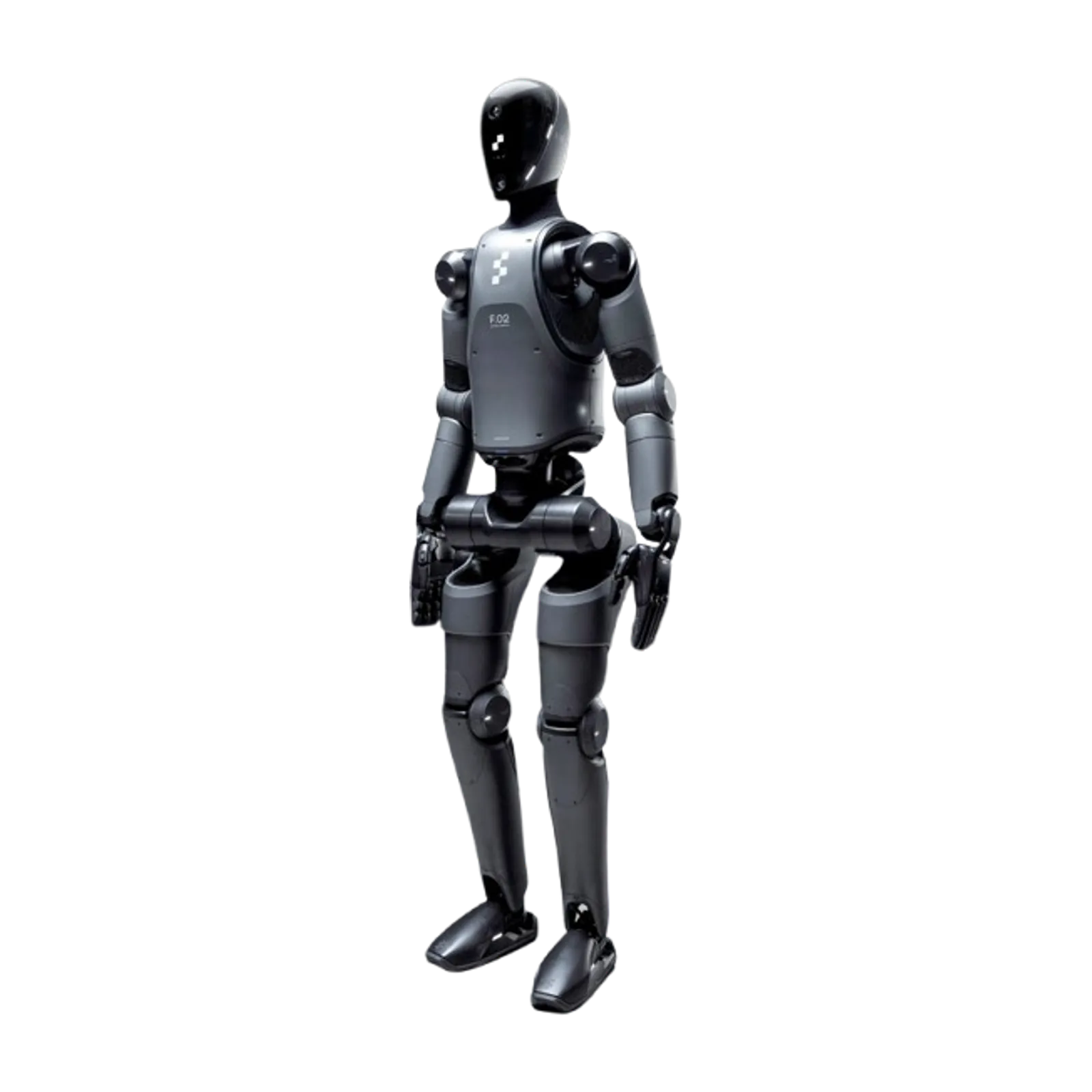
Figure 02 is Figure's second-generation general-purpose humanoid built for commercial and warehouse work. It runs onboard AI for speech, vision, and dexterous manipulation, and ran a two-week pilot on BMW's body-shop line at Spartanburg, South Carolina.

Enterprise
Visit official site
Figure 02 humanoid robot full-body product photo
168 cm Height
70 kg Mass
28 DOF
25 kg Payload
01

Overview

Figure 02 is the second-generation humanoid robot from Figure AI, a San Jose, California company (headquartered in Sunnyvale when the robot was unveiled). Figure showed it in August 2024 as an adult-sized bipedal robot designed to perform human-like tasks in industrial settings and, eventually, the home.

The robot carries its intelligence onboard. Six RGB cameras feed a built-in vision-language model for common-sense visual reasoning, and integrated microphones and speakers enable speech-to-speech conversation. At launch those speech models came from a collaboration with OpenAI; Figure ended that partnership in February 2025 and moved all of its robot AI in-house. Figure 02 ships with roughly three times the onboard computation and AI inference of the first-generation Figure 01, including two GPUs.

Its fourth-generation hands have 16 degrees of freedom each and human-equivalent strength, and the robot can carry payloads up to 25 kg (55 lb). A 2.25 kWh battery pack integrated into the torso powers it, delivering more than 50% more energy than Figure 01. Figure later updated the platform to run Helix, the company's own vision-language-action model that drives the robot in real time from camera pixels.

Figure 02 is not a research prototype: Figure ran a roughly two-week pilot at the BMW Group plant in Spartanburg, South Carolina, where the robots fitted sheet-metal parts into a car chassis in the body shop. BMW has said there are currently no Figure robots at the plant and no fixed timetable for commercial deployment; the two companies continue to collaborate on future applications.

02

Capabilities

  • Fourth-generation hands with 16 degrees of freedom per hand and human-equivalent strength
  • Six onboard RGB cameras feeding a built-in vision-language model
  • Speech-to-speech conversation via onboard mics and speakers (OpenAI-trained models at launch; AI later brought in-house)
  • 2.25 kWh torso-integrated battery (50%+ more energy than Figure 01)
  • ~3x the onboard computation and AI inference of Figure 01, including two GPUs
  • Runs Figure's Helix vision-language-action model for real-time control
03

Specifications

Height
168 cm (5'6")
Mass
70 kg (155 lb)
Degrees of freedom
28
Hands
16 per hand
Payload
25 kg (55 lb)
Top speed
1.2 m/s
Battery
2.25 kWh torso-integrated lithium-ion pack
Runtime
~5 h
Actuation
Electric (custom integrated joint actuators)
Sensors
6 onboard RGB cameras; onboard microphones and speakers
Compute
Onboard CPU/GPU (two GPUs) with ~3x the compute and AI inference of Figure 01 (exact chip undisclosed)
Origin
United States
Unveiled
2024
04

Deployment

  • Manufacturing line and material-handling tasks
  • Warehouse and logistics operations
  • AI data collection and use-case training at industrial sites
  • Conversational human-robot interaction